

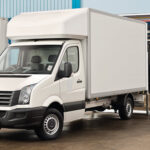


How a van is packed affects far more than whether everything fits, because weight and balance change how the vehicle steers, brakes and corners. Loading a hire van safely is a skill worth getting right, and the principles are simple once understood. This guidance focuses on the weight side of packing rather than a generic checklist, so a load arrives intact and the van handles predictably the whole way. Booking van hire in Warrington puts the right vehicle on the drive, and packing it properly is what turns a borrowed van into a safe and capable one for the job.
Why weight and balance come before everything else
A van is designed to carry weight in a particular way, and respecting that keeps it stable. The two ideas that matter most are where the weight sits and how much of it there is. Get those right and a fully loaded van drives almost as confidently as an empty one. Get them wrong and the steering goes light, the braking lengthens and the load can shift, which is when accidents and damage happen.
Keep the heaviest items low and forward
The single most important rule is to load heavy items low and toward the front, over or just behind the front axle. This keeps the centre of gravity low and the weight where the van expects it. Stacking heavy boxes high or loading them all at the very back lifts the centre of gravity and unloads the front wheels, which makes steering vague and braking unreliable. Building the load from the bulkhead backward, heaviest first, is the habit to form.
Balance the load side to side
Weight should be spread evenly across the width of the van, not piled along one side. An unbalanced load makes the van lean and feel unsteady through Warrington’s many roundabouts and on motorway slip roads. Taking a moment to even out the heavy items left and right pays off the first time the van takes a bend under load. There is useful background on picking a vehicle that suits the load in the guide to matching your load to the right 3.5 tonne van.
Stay within the van’s weight limit
Space is not the same as capacity. A van can be physically full long before it is at its weight limit, or it can run out of weight allowance while there is still room inside, particularly with dense materials. Every van has a gross vehicle weight it must not exceed, and the load is that figure minus the weight of the van itself. The article on gross vehicle weight explained sets this out clearly, and it matters because an overloaded van is unsafe and illegal regardless of how neatly it is packed. When in doubt, a larger van rated for the same 3.5 tonne licence often carries the load more comfortably.
Secure the load so it cannot move
A well-placed load still needs restraining. Straps to the anchor points stop items sliding forward under braking, and packing gaps with softer items prevents furniture shifting and rubbing. Heavy items should never rely on resting against the bulkhead alone. For a move around Appleton van hire or a collection over toward Stretton van hire, where the route mixes residential streets with faster roads, a load that cannot move is a load that arrives undamaged.
Protect the items and the van
Blankets, covers and corner protection keep both the load and the van’s interior in good condition. Returning the van with the load area swept out and free of damage keeps the hire simple and avoids extra charges. Taking a little care with padding at the loading stage is far easier than dealing with a chipped table or a scuffed van panel afterward.
Unloading in the right order
Safe loading carries through to unloading, and the order matters as much at the end of the journey as the start. Taking the lighter, higher items off first keeps the heavy weight low and the van stable until the last of it comes out, rather than leaving a tall, top-heavy stack standing while lighter pieces are removed. Releasing straps gradually, and being ready for anything that may have settled against the doors in transit, avoids a load tumbling out the moment the rear doors open.
On a move with several drops, planning the load so the first items needed are nearest the doors saves repeatedly shifting everything else, which is both quicker and easier on the back. A few seconds of thought about the unloading order while loading at the start is repaid many times over at the other end.
Protecting your back as well as the load
Weight and balance are not only about how the van drives, they are about how safely a load is handled by the people moving it. Keeping heavy items at a sensible height for lifting, using a sack barrow for the heaviest pieces, and sharing awkward loads between two people prevents the strains that turn a straightforward move into a painful one. A low loader or a tail lift exists precisely to take the worst of the lifting out of the job, so choosing the right vehicle is itself a way of protecting whoever is doing the carrying.
Lifting close to the body, bending at the knees and not twisting under load are the basics worth remembering, particularly toward the end of a long day when tiredness makes shortcuts tempting. A load that arrives safely and a back that is not aching are both signs of a job done properly.
Choosing a van that makes packing easier
Good packing starts with the right van, so describing the heaviest and the largest items when booking lets the depot suggest a vehicle that carries the load safely within its limits. To talk through a load and reserve the right van, call 01925 396 222 or send an online enquiry with the dates and a description of what is being moved.


