



Van hire comes with a vocabulary of its own, and most guides to it simply list definitions. That is not much use when you are standing in front of a booking form trying to pick a vehicle. This guide takes a different approach – it explains the handful of terms that genuinely change which van you should hire, using the actual fleet available for van hire in Warrington, so that by the end you can look at a vehicle name and know whether it suits your job. The jargon only matters where it affects your decision, so that is what this focuses on.
Wheelbase – The Term That Decides Van Length
Wheelbase is the distance between a van’s front and rear axles, and it is the single most useful term to understand because it maps directly onto load length. A longer wheelbase means a longer load area, but also a larger vehicle to manoeuvre and park. The fleet runs the full range, which is why the names carry these labels. A short wheelbase low roof van is the compact option, close to a large car to drive and ideal for tight streets and smaller loads. Step up to a long wheelbase high roof van and you gain considerable load length plus standing room inside. At the top sits the extra long wheelbase van, the longest panel van on the fleet, for loads that defeat everything shorter. When you see SWB, LWB or XLWB on a booking, read it as short, long or extra long – and match it to your longest single item rather than your total volume, because length is usually what catches people out.
Roof Height – Why It Matters as Much as Length
Roof height is quietly as important as wheelbase, because it decides whether you can stand inside and how tall an item will fit. A low roof keeps the van easy to park under height barriers and in domestic garages, while a medium or high roof lets you work upright and carry tall items like wardrobes or white goods on end. This is why the fleet distinguishes a short wheelbase medium roof van from its low-roof sibling – same footprint on the road, but far more usable height inside. If your load is tall rather than long, roof height is the term to focus on, not wheelbase.
Luton, Box and Tail Lift – The Big-Load Vocabulary
A Luton is a box-bodied van whose load area extends forward over the cab, giving the maximum enclosed volume on a 3.5 tonne vehicle – the classic house-move and furniture shape. Where it gets useful is the two Luton variants on the fleet, which solve different problems. A Luton van with tail lift carries a hydraulic platform at the rear that raises heavy items from the ground to load height, so washing machines, drawer chests and safes go up without a lift or a strained back. A Luton low loader van takes a different route to the same goal, sitting its floor lower so the load height is reduced from the start, which suits jobs with constant loading and unloading. If your load is heavy as well as bulky, the words tail lift and low loader are the ones that matter.
Dropside and Flatbed – For Loads That Do Not Suit a Box
Not every load wants an enclosed body. A dropside has sides that fold down flat, and a flatbed is an open load bed, so a flatbed dropside van lets you load long, dirty or awkward materials – timber, fencing, aggregates, garden waste – from any side rather than threading them through rear doors, and it hoses clean afterwards. If your job is building materials or a tip run rather than furniture, this is the vocabulary to recognise, and it is often the term that steers people away from a box van they would have regretted.
Payload, MAM and Unladen Weight – The Weight Words
Three weight terms cause most of the confusion, and they are simpler than they sound. Maximum authorised mass, or MAM, is the most the van is legally allowed to weigh fully loaded – for the standard fleet that is 3.5 tonnes, which is also the limit most car licences allow. Unladen or kerb weight is what the empty van weighs on its own. Payload is the difference between the two – the weight you can actually put in. The practical takeaway is that a bigger van does not always mean a bigger payload, because a heavier body eats into the allowance, so if you are carrying something genuinely heavy it is worth asking about payload directly rather than assuming the largest van carries the most. The team can talk you through the figures for any vehicle before you book.
Which Licence Lets You Drive What
The term that stops some hires before they start is the licence category. A standard car licence issued in recent decades covers vehicles up to 3.5 tonnes MAM, which is the whole standard fleet including the Luton vans – so most drivers can hire the largest box van here on an ordinary licence. Drivers who passed their test before 1997 often hold additional entitlement, but the safe rule is that if a vehicle is 3.5 tonnes or under, a normal car licence covers it. If you are ever unsure what your licence permits, it is worth a quick check before collection day rather than a surprise at the counter.
Putting the Terms to Work
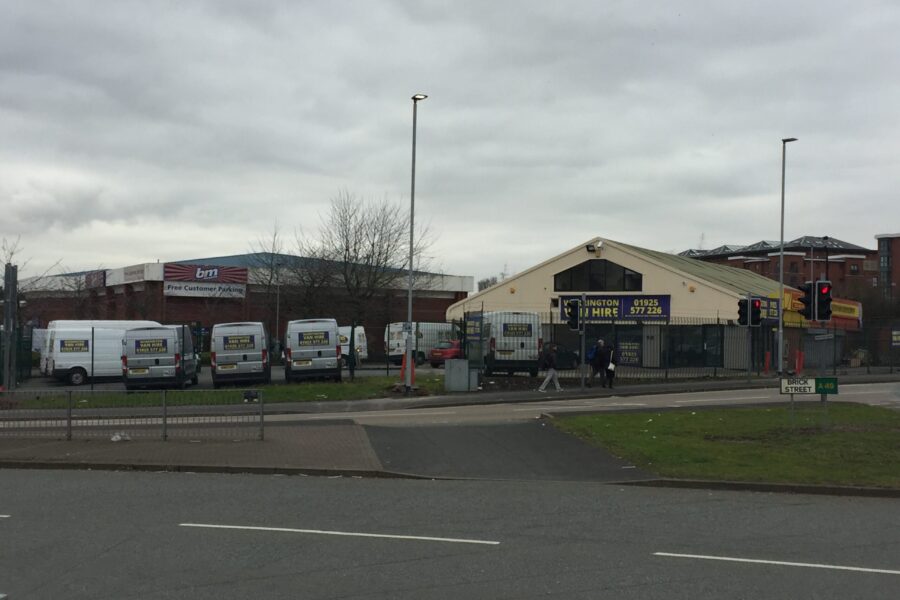
Read together, these terms turn a confusing booking screen into a straightforward decision – wheelbase and roof height for size, Luton and tail lift for heavy furniture, dropside and flatbed for materials, and the weight words for anything genuinely heavy. The fleet of over 70 vans means whichever combination your job needs is usually available from the depot in the centre of Warrington, with easy access and secure on-site parking, open Monday to Saturday from 8am to 4pm. If you would rather just describe your load and let someone match the van to it, that is often the quickest route of all – call 01925 396 222 or complete the online enquiry form and the team will point you to the right vehicle for the job.


