



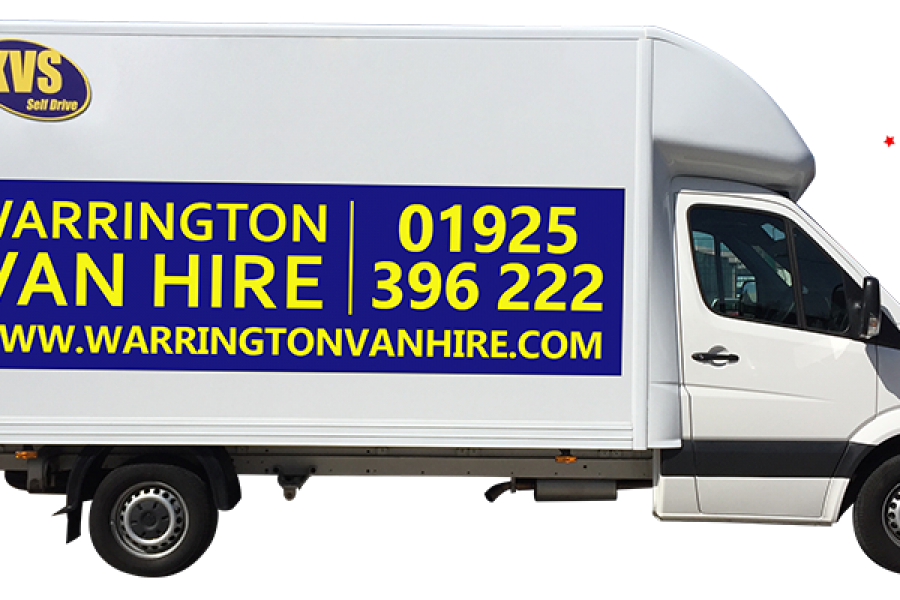
A hire van does its best work when the driver knows a few practical things before setting off, and most of those things are simple once pointed out. Getting the most from a hire van in Warrington is less about clever tricks and more about loading sensibly, respecting the height and size of the vehicle, and returning it in good order. Booking van hire in Warrington gives access to the right vehicle, and this advice covers how to use it well once it is on the road, whether the job is a single collection or a full day of work across the town.
Using the van well from collection to return
Most problems people meet with a hire van come from treating it like a larger car. It is taller, longer, heavier and handles differently, particularly when loaded. Keeping that in mind from the moment the keys are handed over, at a central depot open Monday to Saturday from 8am to 4pm, sets the tone for a trouble-free hire. A few minutes of preparation at the start saves far more time later.
Load low, forward and balanced
How a van is loaded changes how it drives. Heavy items belong low and toward the front, over or just behind the front axle, so the weight sits where the van is designed to carry it. A load piled high at the back makes the steering feel light and the braking unpredictable. Spreading the weight evenly side to side keeps the van stable through roundabouts, of which Warrington has plenty. There is fuller guidance in the article on how to load a hire van safely, which is worth a read before a first big load.
Respect the height of the vehicle
The most common avoidable mistake is forgetting how tall a van is. A car driver is not used to checking height barriers, but a Luton or high-roof van will not clear every multi-storey car park or low bridge. Noting the vehicle height at collection and watching for posted limits prevents an expensive and embarrassing scrape. The longest vehicles, such as an extra long wheelbase van, also need more room to turn and a wider line into tight gateways, so a moment’s thought before committing to a narrow lane pays off.
Mind fuel and keep the van moving smoothly
A loaded van uses more fuel than a car, so planning fuel stops on a longer job avoids a late detour. Many modern diesel vans also use a separate additive to reduce emissions, and while a short hire is unlikely to need topping up, it is worth being aware of. Smooth driving, gentle on the accelerator and reading the road ahead, is both safer and more economical in a heavier vehicle, especially when it is fully loaded.
Plan parking and access before arriving
Knowing where the van will go before reaching a job saves circling a busy street. For a collection around Culcheth van hire or a job in the lanes near Croft van hire, the access can be tighter than a town-centre street, so checking for a sensible place to stop and turn in advance is worthwhile. A van that can be parked close to the door makes loading quicker and reduces the carrying distance.
Return it clean, fuelled and on time
The end of a hire is as important as the start. Returning the van within the agreed time, with the fuel as agreed and the load area swept out, keeps the hire simple and avoids extra charges. Because the depot closes at 4pm and is shut on Sundays, planning the return around those hours is sensible. A van brought back in good order is handed over quickly, with any questions settled in person.
Driving a larger vehicle with confidence
Confidence in a hire van comes from respecting its size rather than fearing it. The mirrors do the work that over-the-shoulder glances do in a car, so setting them properly before moving off is essential, and checking them often makes up for the lack of a rear window on many vans. Wider lines into junctions and a little extra patience at roundabouts account for the length and the load. Reversing is easier with someone guiding from outside, and where nobody is available, getting out to look before backing into a tight space is never wasted time.
A van driven with that steady, deliberate approach is a safe one, fully loaded or empty. The handling changes noticeably once weight is aboard, so the first mile or two after loading is the moment to register how the steering and braking feel before reaching faster roads. Reading the road well ahead, rather than reacting late, is the single habit that makes the biggest difference in a heavier vehicle.
Keeping costs down on the road
How a van is driven affects what a hire costs to run as well as how safe it is. Gentle acceleration, early lifting off for junctions and steady speeds all reduce fuel use in a vehicle that is thirstier than a car, particularly when loaded. Planning a route that avoids unnecessary town-centre crawling, and grouping drops sensibly so the van is not doubling back, keeps both time and fuel in check. None of this requires any special skill, only a little forethought before setting off, and it turns a hire van into an economical tool rather than an expensive one.
Getting the right van in the first place
All of this advice works best when the van suits the job to begin with, so describing the load when booking is the first practical step. To reserve a vehicle and talk through which size fits the work, call 01925 396 222 or send an online enquiry with the dates and a short description of the load.


