

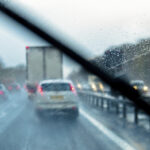
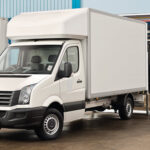

Winter van driving combines two challenges that each deserve respect on their own – an unfamiliar vehicle and difficult conditions. Most people collecting van hire in Warrington in the cold months drive the van for a weekend, not a living, and the habits that keep professional drivers safe in December are exactly the ones worth borrowing. This article gathers the winter advice that gets shared across the counter at the depot every year, from the first frosty walk-around to handling a loaded van on an untreated lane.
Why Winter Asks More of a Van Driver
A van behaves differently from a car in ways winter amplifies. It is heavier, so it takes longer to stop, and the gap grows dramatically on wet or icy surfaces. It is taller, so crosswinds on exposed motorway stretches and bridges push it around in a way car drivers never feel. Its load changes its behaviour – a laden van grips and brakes differently from an empty one, and an unsecured load shifting under braking is far more dangerous on a slippery road. None of this makes winter van driving hazardous in itself – it makes it a discipline, and drivers who adjust for it have uneventful journeys.
Before Setting Off – Visibility and Checks
Winter mornings reward five unhurried minutes before moving. Clear every window fully, not a porthole in the frost – it is a legal requirement as well as common sense, and a van’s larger glass area takes longer than a car’s. Clear snow from the roof, because a roof-load of snow sliding onto the windscreen under braking is exactly as dangerous as it sounds on a high vehicle. Check that lights front and rear are clean and working, that washer fluid is topped with screenwash rather than water, and that tyres look properly inflated – cold snaps drop tyre pressures noticeably. Vans from the fleet are checked between hires, but the morning walk-around on day three of a hire is the driver’s own habit to keep.
On the Road – Space, Speed and Smoothness
The core of winter driving in any vehicle is smoothness, and in a van it is doubly true. Brake earlier and more gently than feels necessary, leaving at least double the usual following distance in the wet and far more on ice. Steer, brake and accelerate as separate actions rather than combined ones, because asking a tyre for two jobs at once on a cold surface is how slides start. In a high-sided van like a long wheelbase high roof van, anticipate crosswind gusts at motorway bridges, gaps in hedgerows and when passing high-sided vehicles, holding the wheel firmly and easing speed rather than fighting each gust. And remember that speed limits for vans differ from cars on many roads – winter is not the season to discover that at the roadside.
Rural Lanes and Untreated Roads
Gritters cover main routes first, and the region’s rural fringes stay slippery long after the A-roads are clear. The lanes east of the town towards Glazebury van hire territory, the moss roads around Rixton van hire customers and the village routes through Thelwall van hire country all mix narrow carriageways, mud from field entrances and shaded bends that hold ice into late morning. On such roads, assume the surface is worse than it looks, use passing places early rather than late, and be especially gentle on bends where a camber falls away towards a ditch. A few minutes lost to caution on a lane is nothing against the alternative.
Loads, Daylight and Planning
Two final winter disciplines complete the picture. First, secure the load properly – straps and lashing points matter more in winter because emergency braking is more likely and more violent in poor grip. Keep heavy items low and against the bulkhead so the van’s balance stays predictable. Second, plan around daylight – with darkness by mid-afternoon, an 8am collection from the depot in the centre of Warrington, open Monday to Saturday with easy access and secure on-site parking, buys the maximum daylight for the day’s work. Anyone taking a van further afield in winter, including across the Channel where European cover is available on request, should build weather margins into the schedule rather than the driving.
If Conditions Turn Mid-Journey
Winter weather changes faster than forecasts admit, and the final discipline is knowing what to do when a journey deteriorates around the van. If snow begins settling or visibility collapses, the right call is usually the unheroic one – reduce speed further, get off exposed high-level routes in favour of lower main roads, and be willing to stop somewhere sensible and wait out the worst rather than pressing on. Carry the basics that make waiting tolerable – warm layers, a charged phone, something to drink – and let someone know the route and expected arrival before setting off on a marginal day. Loads can be delivered an hour late without consequence in almost every case, and no delivery is worth an accident in a vehicle the driver has known for two days.
A Van Ready for the Season
Winter driving in a hire van is comfortably manageable with preparation and patience, and the team is always happy to talk a first-timer through a specific vehicle’s controls before departure. Call 01925 396 222 to book a van for winter work with the fleet of over 70, or complete the online enquiry form and collection can be arranged with time in hand for an unhurried, fully demisted start.


