



Double Glazing Van Hire in Warrington for Windows, Doors and Sealed Units
A double glazing van has one job above all others. It has to get glass from the supplier to the house without a single crack or chip. Window and door installers know this well, and so do homeowners replacing a shed window or a conservatory panel. Picking the right van hire in Warrington comes down to internal height, a sensible support for the glass and a plan for the old frames.
Autumn is the busiest time for this work. Homeowners notice draughts as the nights draw in, and installers try to fit as many jobs as possible before winter. This guide looks at van choice, carrying glass safely and planning the day.
Picking the Right Double Glazing Van
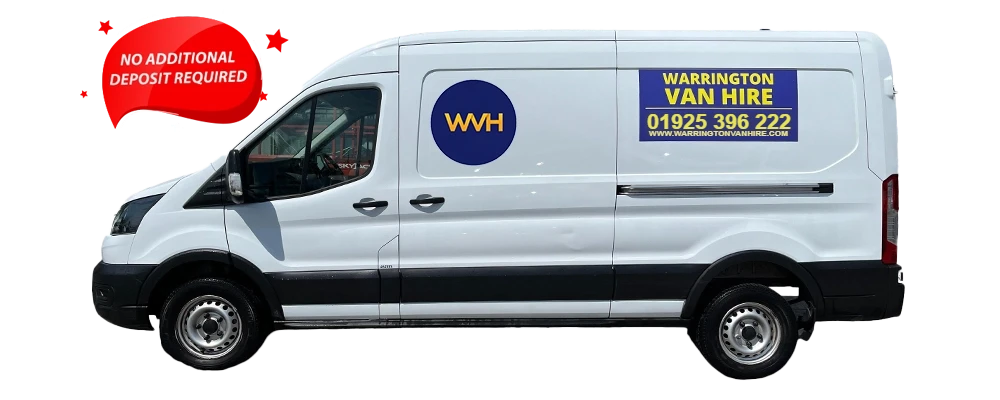
Sealed units and frames must travel standing on edge, so internal height decides everything. The long wheelbase high roof van offers 1885mm of internal height and 3399mm of load length. That suits most window frames and sealed units for a typical house. It also has a side door, which helps when sliding a frame in from the pavement.
Doors are a different matter. A full-height composite door or patio door panel may be taller than 1885mm. In that case, the extra long wheelbase van gives 2140mm of internal height and 4300mm of load length. Before booking, measure the tallest door against those figures. Also check the width between the wheel arches, because frames rest on the floor next to them.
Why Glass Never Travels Flat
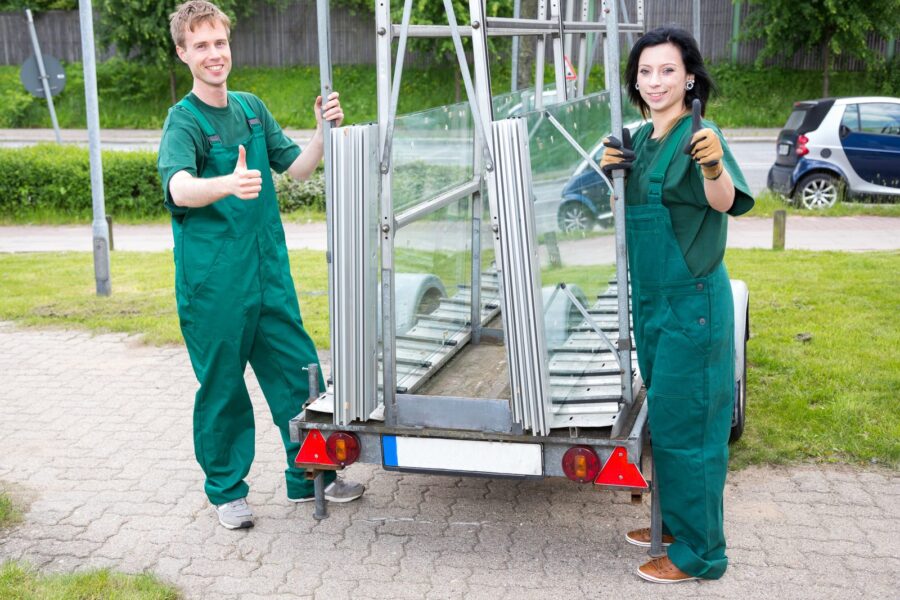
Laying a sealed unit flat on a van floor is the quickest way to break it. Every bump in the road flexes the glass, and anything placed on top adds pressure. Instead, glass should stand on its edge, leaning slightly against a firm support. That way, the weight sits on the strongest part of the unit.
Installers often build a simple A-frame style rack from timber and carpet offcuts. It stands in the middle of the load floor, and the units lean against both sides. Alternatively, units can lean against the van’s side wall with padding behind them. Either way, strap them to the internal rails so they cannot tip.
Spread the weight evenly on both sides of the rack. Sealed units are heavier than they look, especially large triple-glazed panes. If one side carries far more than the other, the rack can lean under braking. Also keep the bottom edge of each unit on a strip of carpet or rubber, so it never sits on bare metal.
Loading a Double Glazing Van Safely
Start with the frames, because they are the most robust items. Stand them upright against the side walls and tie them off. Next, load the sealed units against the A-frame, largest first, with soft spacers between each pane. Doors go in last, standing upright and strapped, so they come out first at the fitting.
Keep cardboard corner protectors on every unit until it reaches the opening. Meanwhile, put tools, foam, sealant and fixings in a crate near the side door. That stops anything rolling into the glass under braking. Before setting off, push gently on each unit to check that nothing moves.
Driving With Glass in the Back
Drive as if every pane could crack, because it could. Brake early, take roundabouts slowly and avoid sudden lane changes. Speed humps on housing estates need particular care. A loaded double glazing van also feels different from a car, so give extra stopping distance on wet autumn roads.
From the depot, the A49 Winwick Road heads north out of Warrington. That route serves Golborne van hire customers and continues towards Ashton in Makerfield van hire jobs. Avoid the school run where possible, since stop-start traffic is hard on a load of glass.
A Double Glazing Van for DIY Jobs
Not every glazing job involves a full house. Many homeowners replace a single shed window, a greenhouse pane or a damaged conservatory panel themselves. For those, a smaller double glazing van often does the job. The short wheelbase medium roof van offers 1745mm of internal height and a side door, which suits a few modest units.
The same rules still apply. Stand the glass on edge, pad it well and strap it tight. If in doubt about size, call the depot before booking.
DIY glazers often collect from a trade counter that loads the glass for them. Even so, check how the staff have placed it before driving away. If a unit lies flat or leans against a loose tool box, stop and rearrange it in the yard. Two minutes there can save a wasted trip and a second order.
Taking the Old Frames Away
Every replacement creates waste. Old uPVC frames, timber casements, broken glass and sills all need removing. Load old frames after the new ones have come out, never alongside them. Then sweep out any glass fragments before the van carries anything else.
For larger strip-outs, the post on van hire for tip runs and waste removal explains how to plan the waste side. Wrap old glass in cardboard or blankets so nobody gets cut while unloading.
Timing the Autumn Fitting Rush
The depot opens Monday to Saturday from 8am to 4pm and closes on Sunday. Installers often collect at 8am, pick up glass from the supplier and reach the first house by mid-morning. Shorter days mean fitting must finish while there is still light, so an early start really counts.
For a run of installs, many fitters keep the same van for a week or more. That avoids rebooking each morning. The depot at Cockhedge Shopping Centre on Tilley Street also has secure on-site parking, so the fitter’s own car stays safe while the van is out.
Saturday jobs need a little extra thought. A Saturday collection works well for a weekend install, but the van must be back by 4pm. Since the depot closes on Sunday, a two-day job is easier with the double glazing van kept until Monday morning.
Booking a Double Glazing Van
Before booking, measure the tallest door and the largest sealed unit. Then compare them with the internal heights above. Most vehicles need no deposit, and the van hire FAQs answer the common questions about hire.
To book a double glazing van, call 01925 396 222 or send an online enquiry with the dates and the sizes involved. The depot opens Monday to Saturday, 8am to 4pm, so booking early secures a van before the pre-winter rush.

